Quote list0
Your product list is empty!

Pain and Inflammation

Pain and Inflammation

Estimates suggest that 20% of adults suffer from pain globally*. Chronic pain is the most common cause of long-term disabilities. From 1963 Ugo Basile’s devices have had a prominent role in research on pain & inflammation, precious tools for researchers to achieve their experimental goals.

Explore research insights

* D. S. Goldberg and S. J. Mcgee, "Pain as a global public health priority"

Results 1 - 19 of 19
Show per page
  • Animal
    Mouse
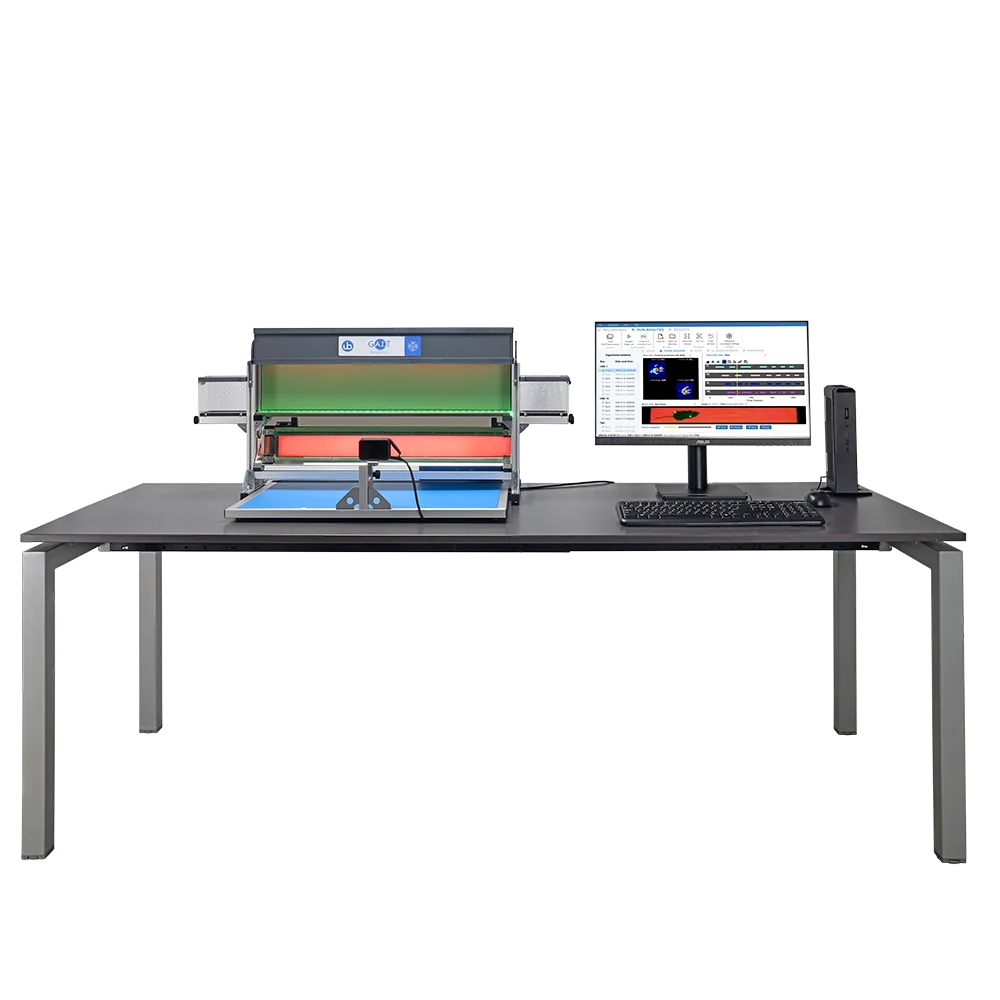
    Ugo Basile GA.I.T gait analysis system – AI-powered automated rodent gait assessment device

    GA.I.T Analysis system by Ugo Basile is a next-generation, fully automated table-top system designed to detect gait alterations in rodent models with unmatched ease of use and almost 100% accuracy in paw detection. Powered by proprietary AI algorithms, it identifies subtle motor, age-related, or pain-related changes that traditional tools might miss, or require extensive...

  • Animal
    Mouse
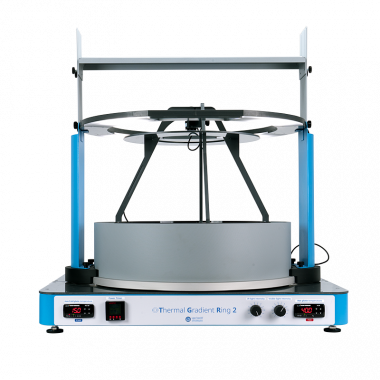
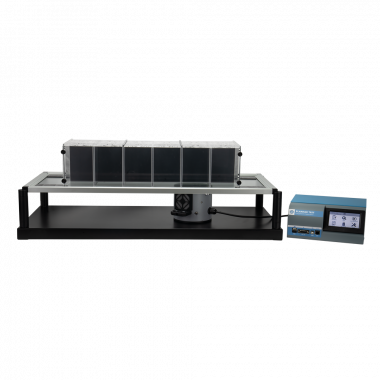
    TGR Thermal Gradient Ring 2.0

    Best choice for thermal preference phenotyping

    Now available for tethered and non-tethered Mice

    The state-of-the-art thermal preference assay designed with a circular shape. Fully automatic, up to 36 scientific publications

    The TGR can clearly discriminates temperature-dependent phenotypes or temperature dependent drug...

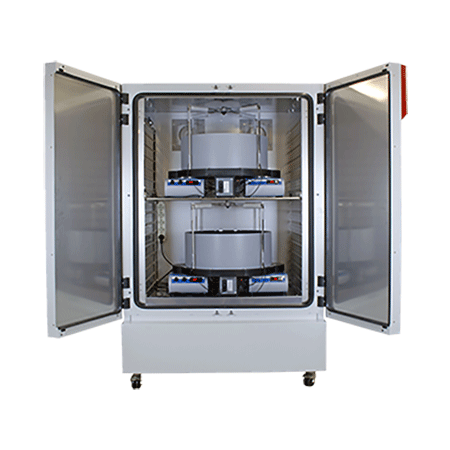
  • Thanks to its reduced dimensions TGR can easily fit into the cabinet

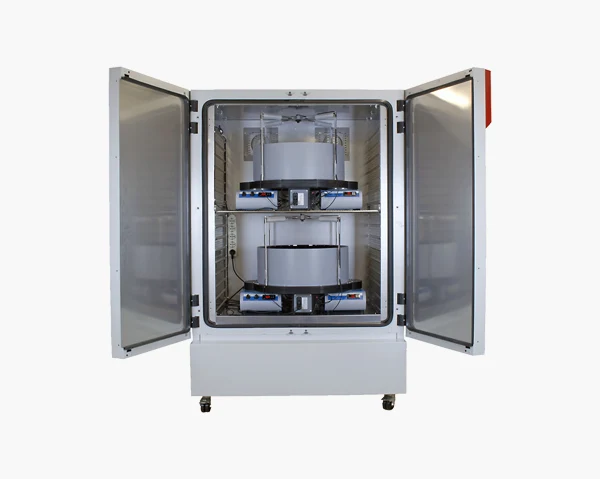
    An essential optional tool for Your TGR experiments. This cabinet is made to efficiently control the inside temperature from 0° up to 70° and can hold up to two TGR apparatus.

    In TGR experiments temperature is critical; to perform the test (which normally takes 1 hour) You need to ensure the TGR apparatus is placed into an environment having the average temperature between the two...

  • Animal
    Mouse
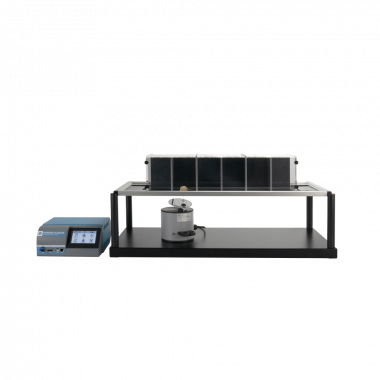
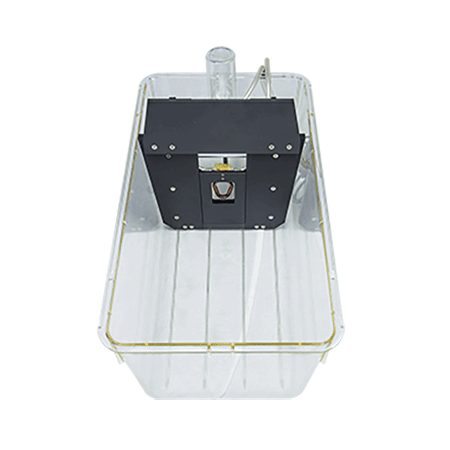
    Climbing Test front view. The system is composed of electronic unit, climbing cylinder and ceiling

    Climbing behavior can be of interest for the most diverse applications.

    The Ugo Basile automated system replicates its first manual application in the Pain field, for measuring Pain-Depressed behavior. It showed that, while mild analgesics block pain-depressed climbing, strong analgesics fail to alleviate depression of climbing (Santos et al. 2023, “Climbing behavior by mice as an...

  • Animal
    Mouse, Rat
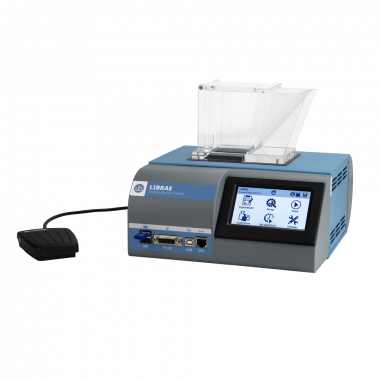
    Librae for Rats with Adjustable Restrainer (SKU 47880-004)

    Measures the weight distribution difference between an injured and unaffected hind paw of a mouse or rat. For the assessment of spontaneous pain in osteoarthritis, bone cancer, nerve injury and post-operative pain studies. Automatic operation reduces operator bias, optimizes repeatability and saves time. Easy to set up. Data visualization to monitor trends. Fast and easy cleaning...

  • Animal
    Mouse, Rat
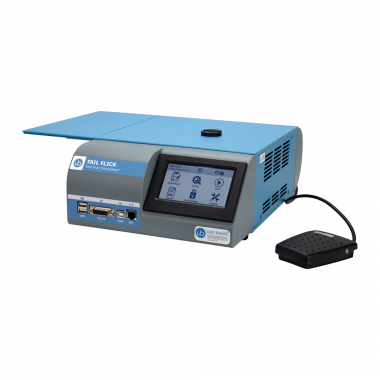
    Tail Flick Unit - Thermal stimulation, D'Amour and Smith method

    Accurately measures the nociceptive threshold to infrared heat stimulus on the rat or mouse tail. Used for rapid screening of analgesic drugs by measuring reaction time to heat, even in anesthetized animals, crucial for repeated tests, thanks to the reflexive nature of the tail flick response.

    Adjustable I.R. intensity, bright touch-screen display with intuitive controls. Comfortable...

  • Animal
    Mouse, Rat
    Dynamic Plantar Aesthesiometer Full Front Upper View

    The Dynamic Plantar Aesthesiometer is the only device available on the market that automatically delivers the desired force at the desired rate and automatically records paw withdrawal, providing both the amount of force and the time taken in a completely unbiased manner.

    Touch sensitivity is traditionally tested with Von Frey filaments, which is a tedious and experimenter-dependent...

  • Animal
    Mouse, Rat

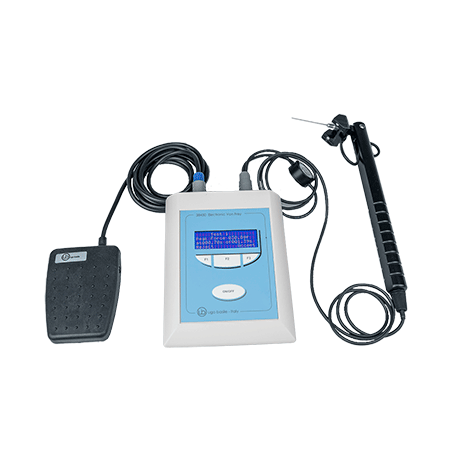
    Touch sensitivity in unrestrained animals is traditionally tested with Von Frey filaments, which is a tedious and experimenter-dependent assay.

    The Electronic Von Frey system solves the multiple measurement (i.e. multiple filaments) issue and the experimenter bias by using a hand-held force sensor with a rigid metal. The scientist gradually increases the force applied to the animal...

  • Animal
    Mouse, Rat
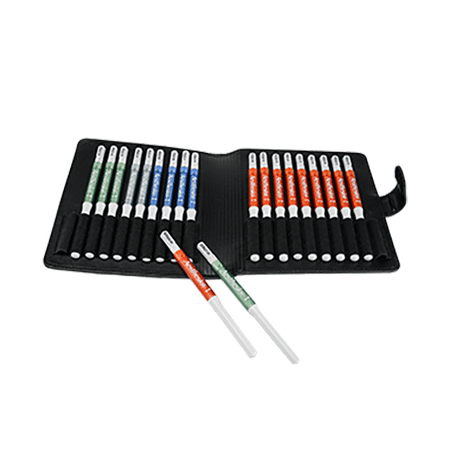
    20 filament kit with carrying case and force range from 0.008gr to 300gr

    Used to measure the paw withdrawal reflex when the mouse or rat paw is unexpectedly touched. For evaluating mechanical allodynia and cutaneous sensation levels. Popular non-invasive technique.

    Set of 20 monofilaments based on the Semmes Weinstein monofilament set. An ascending series of increasingly stiff filaments (from 0.008 to 300 grams). Features retractable head to protect the...

  • Animal
    Mouse, Rat
    Plantar Test for Thermal Stimulation Hargreaves Apparatus frontal view

    In the late ‘80s Dr. Hargreaves invented a method to assess thermal pain sensation in unrestrained rodents by stimulating the single hind paw and thus allowing for unilateral/contralateral experiments. Ugo Basile made a science-grade instrument to perform this stimulation and automatically measure response, it became a gold-standard with more than 2,600 publications.

    A thermal...

  • Animal
    Mouse, Rat

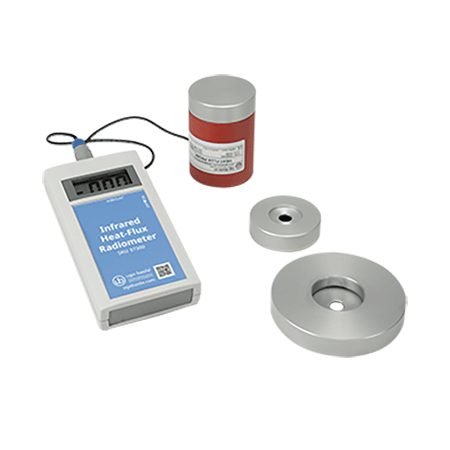
    Provides simple, reliable and precise calibration for Ugo Basile Plantar Test & Tail Flick and other infrared (I.R.) analgesia meters.

  • Animal
    Rat
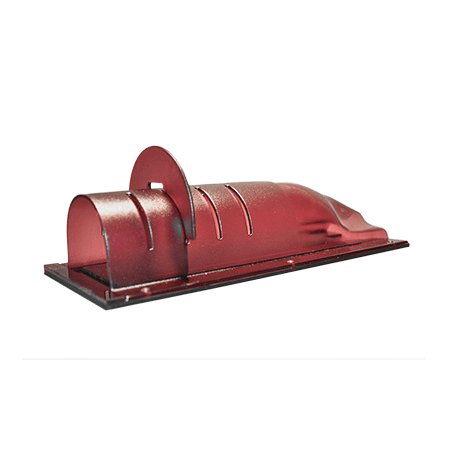
    The Durham Holders are new rat holders for trigeminal stimulation, the newest accessory for use with the Plantar Test and Dynamic Plantar Aesthesiometer, manufactured by Ugo Basile.
  • Animal
    Mouse, Rat
    Thermal Place Preference - complete system

    The Thermal Place Preference test can be considered an evolution of the Hot/Cold plate test and it allows monitoring of temperature preferences by measuring the time spent in two compartments set at two different temperatures.

    This two temperature nociception test can be used in a mouse or rat and is composed of a standard hot/cold plate and of an hot plate, connected by a corridor. It...

  • Animal
    Mouse, Rat
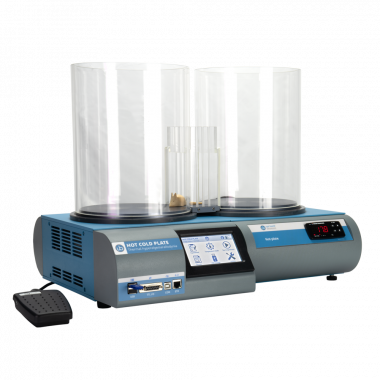
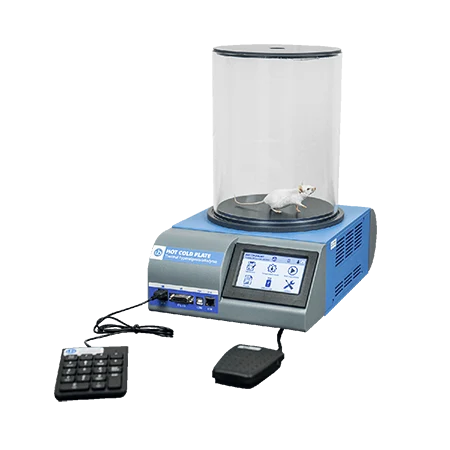
    Hot/Cold Plate - Screening of Thermal Hyperalgesia/Allodynia

    The hot cold plate test has been the gold standard for thermal pain assessment in mouse and rat models for decades. Through the years the devices have been improving and the techniques have become more sophisticated, adding to constant temperature methods also other ones.

    The Ugo Basile Hot/Cold plate test includes all the latest...

  • Animal
    Rat

    Measures hypersensitivity to thermal (hot and cold) and/or mechanical stimulation of the orofacial area in rats (mouse adaptor available). For research into a wide range of pain conditions involving the trigeminal nerve.

    High throughput with data recorded from up to 16 cages with ORO-Software. Real time data display. Non-invasive, respectful test. Comprehensive metrics and easy data...

  • Animal
    Mouse, Rat
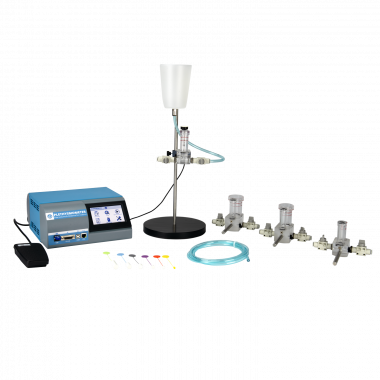
    Plethysmometer Paw Volume and Oedema complete set up with all 4 tube dimensions available

    Measures small changes in volume & oedema (fluid retention) to gauge the inflammatory response such as for anti-inflammatory screening tests.

    Hands-free operation. Precision measurements. Detects and displays 0.01 ml changes in rodent paw volume. Easy data transfer and software included.

  • Animal
    Mouse, Rat
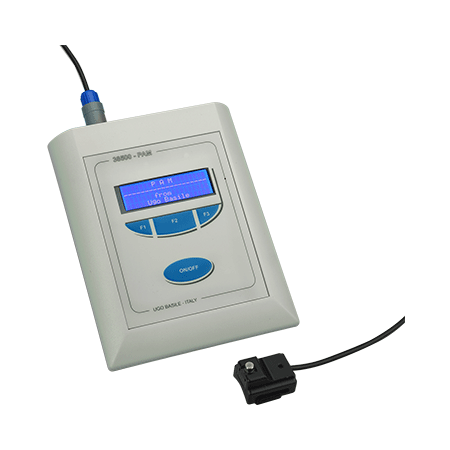
    38500-001 PAM Electronic Unit, with sensor
    The P.A.M. (Pressure Application Measurement) device is an original tool designed for measuring mechanical pain threshold on joints. It was specifically designed and validated for Arthritis research and is therefore especially suited to assess joint hypersensitivity in rodent knees or ankles. Once saved, data can be browsed on the control unit and/or transferred to a PC in proprietary, Excel or...
  • Animal
    Mouse, Rat

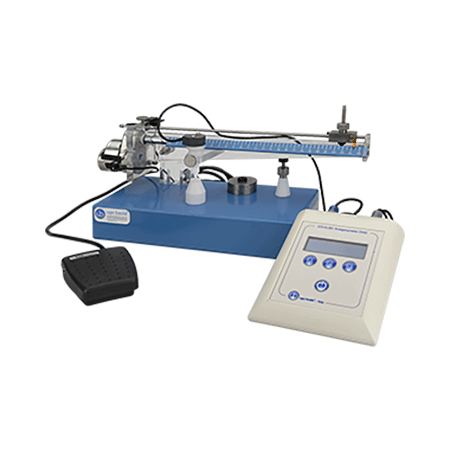
    Measures the force on a rat or mouse paw according to the Randall-Selitto paw-pressure test, it enables rapid and precise screening of analgesic drugs for anti-nociceptive studies, in healthy or inflamed limbs. The device applies a steady increasing force, starting and stopping using the foot pedal. No calibration required. Digital model with force sensors and electronic unit is also...

Research insights

Preclinical research in pain and inflammation

Pain affects an estimated 20% of adults worldwide, with millions of new chronic pain cases diagnosed every year. Yet, it remains insufficiently addressed as a major public health issue. Recognizing pain as a complex condition influenced by biological, social and environmental factors is essential to improve research, prevention, treatment and health policies.

Developing safer and more effective pain management strategies requires a deeper understanding of the biological mechanisms underlying pain and inflammation. In this context, preclinical research plays a fundamental role in identifying therapeutic targets, evaluating novel treatments and generating evidence to support translation into clinical practice.

Most used paradigms for pain and inflammation research

Pain and inflammation research uses a combination of evoked and spontaneous paradigms to assess nociception, hypersensitivity, inflammatory responses and pain-related impairment in rodents. Evoked thermal paradigms include plantar stimulation, tail flick, hot/cold plate testing, thermal place preference and thermal gradient assessment, which are used to investigate heat sensitivity, cold sensitivity, thermal hyperalgesia, allodinya and thermal preference or avoidance.

Mechanical paradigms include dynamic plantar stimulation, electronic or manual Von Frey testing, paw pressure testing and direct joint pressure application, supporting the assessment of mechanical allodynia, hyperalgesia and joint hypersensitivity. Spontaneous pain paradigms include weight-bearing asymmetry, postural imbalance, vertical activity and gait or locomotor changes, which are particularly relevant in arthritis, neuropathic pain, bone cancer pain, post-surgical pain and inflammatory models.

Inflammation can also be evaluated as a dedicated endpoint through paw volume and oedema measurement, allowing researchers to quantify experimentally induced swelling and pharmacological treatment effects.

Specific pain conditions like the ones involving the Trigeminal nerve are assessed by dedicated devices for thermal and mechanical stimulation of the animal vibrissae area, during the Orofacial Test.

Key behavioral readouts in pain assessment

Pain and inflammation studies rely on behavioural readouts that quantify nociceptive thresholds, hypersensitivity, inflammatory responses and spontaneous pain-related behaviour. Key measured parameters include paw withdrawal latency after thermal stimulation, tail flick latency, vocalization, jumping, mechanical withdrawal threshold, force threshold, paw volume, oedema, hind paw weight distribution, thermal preference or avoidance, time spent in specific temperature zones, postural asymmetry and pain-related changes in locomotion or vertical activity.

These readouts help researchers assess hyperalgesia, allodynia, inflammatory pain, joint pain, neuropathic pain, post-surgical pain and treatment effects across different rodent models. By combining evoked responses with spontaneous behavioural endpoints, preclinical pain research can capture both stimulus-induced sensitivity and more naturalistic pain-related impairment. Ugo Basile’s pain portfolio includes instruments for thermal, mechanical, inflammatory and spontaneous pain assessment, including Plantar Test, Dynamic Plantar Aesthesiometer, Hot/Cold Plate, Electronic Von Frey, Plethysmometer, Librae Incapacitance Tester and Climbing Test.

Ugo Basile instruments for pain and inflammation research

Since 1963, Ugo Basile has supported pain and inflammation research with instruments designed to measure nociceptive thresholds, hypersensitivity, inflammatory responses and spontaneous pain-related behaviour in rodents.

Ugo Basile offers a complete portfolio of instruments for preclinical pain and inflammation research, covering thermal, mechanical, inflammatory and spontaneous pain-related endpoints.

Ugo Basile devices for thermal stimulation

The Plantar Test is used for thermal hyperalgesia studies through radiant heat stimulation of the hind paw and automatic paw-withdrawal detection. It is the gold standard for Thermal Hyperalgesia tests in unrestrained animals. The Tail Flick measures nociceptive thresholds to infrared heat stimulation of the tail and is especially suited to rapid, reflex-based analgesic screening with possibility to run repeated tests thanks to the lack of learning being the tail flick a reflexive response. The Hot/Cold Plate supports hot and cold sensitivity studies, including constant temperature, ramping and complex temperature protocols, while the Thermal Place Preference and Thermal Gradient Ring allow researchers to evaluate thermal preference and avoidance in freely moving animals. Both systems involve a cognitive component and in fact repeated tests on the same animal are subject to hyper- or hypo- responses due to previous test experience.

Orofacial Stimulation measures hypersensitivity to thermal (hot and cold) and/or mechanical stimulation of the orofacial area in rats (mouse adaptor available) and is used for research into a wide range of pain conditions involving the trigeminal nerve with no need to cut vibrissae.

Ugo Basile devices for evoked mechanical stimulation

For mechanical sensitivity, the Dynamic Plantar Aesthesiometer provides automated force application and paw-withdrawal scoring for mechanical allodynia studies, while the Electronic Von Frey and Von Frey Filaments support mechanical threshold assessment across different force ranges. The PAM – Pressure Application Measurement system is designed for joint pain and arthritis models, enabling direct quantifiable stimulation of rodent joints. However the PAM can also be used with specific applicators for other parts of the body from the paws to the back and spinal chord, etc. Analgesy-Meter is typically used for inflammatory conditions to measure to measure mechanical sensitivity and pain threshold of pressure applied on mic or rat paw for basic or applied research or phenotyping.

Ugo Basile spontaneous pain apparatus

The Climbing Test adds a vertical activity endpoint for spontaneous pain, motor function and activity-related studies. Librae Incapacitance Tester assesses hind paw weight distribution as an objective measure of spontaneous pain. Plethysmometer measures paw volume and oedema.

Frequently Asked Questions

What instruments are used to measure pain in rodents?

Rodent pain can be assessed using different instruments depending on the type of pain response being studied. Thermal pain is commonly measured with plantar stimulation systems, tail flick meters, hot/cold plates, thermal place preference systems and thermal gradient paradigms. Mechanical sensitivity is assessed with dynamic plantar aesthesiometers, electronic Von Frey devices, manual Von Frey filaments, paw pressure systems and joint pressure tools. Spontaneous pain and inflammation can be evaluated through weight-bearing asymmetry, paw volume measurement, gait analysis and activity-based readouts.

Filters

Animal
Fields of application