Quote list0
Your product list is empty!

Behaviour, Conditioning, Reward

Behaviour, Conditioning, Reward

Since more than 50 years Ugo Basile designs and manufactures classic and innovative devices, essential in animal behavioral studies.

Whether your research involves the study of memory, learning, anxiety, depression, fear, stress, social interaction, addiction, or more complex behavioural protocols, we have the answer: our line of conditioning/avoidance cages, mazes, videotracking, etc. keeps growing thanks to always new devices and methods.

Explore research insights

Results 1 - 16 of 16
Show per page
  • Animal
    Mouse, Rat
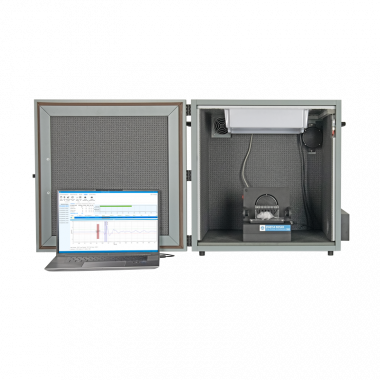
    Startle PPI System with Restrainer for rodents from 450gr to 800gr

    The new 2025 version of Startle/PPI system has been recently upgraded to provide enhanced precision, flexibility, and ease of use.

    The main improvements include:

    • The sensitivity and offset of the load cell can now be adjusted directly via firmware/software, without manual intervention.
    • The same PPI cubicle can be used also for Fear Conditioning in a combination...
  • Animal
    Mouse, Rat
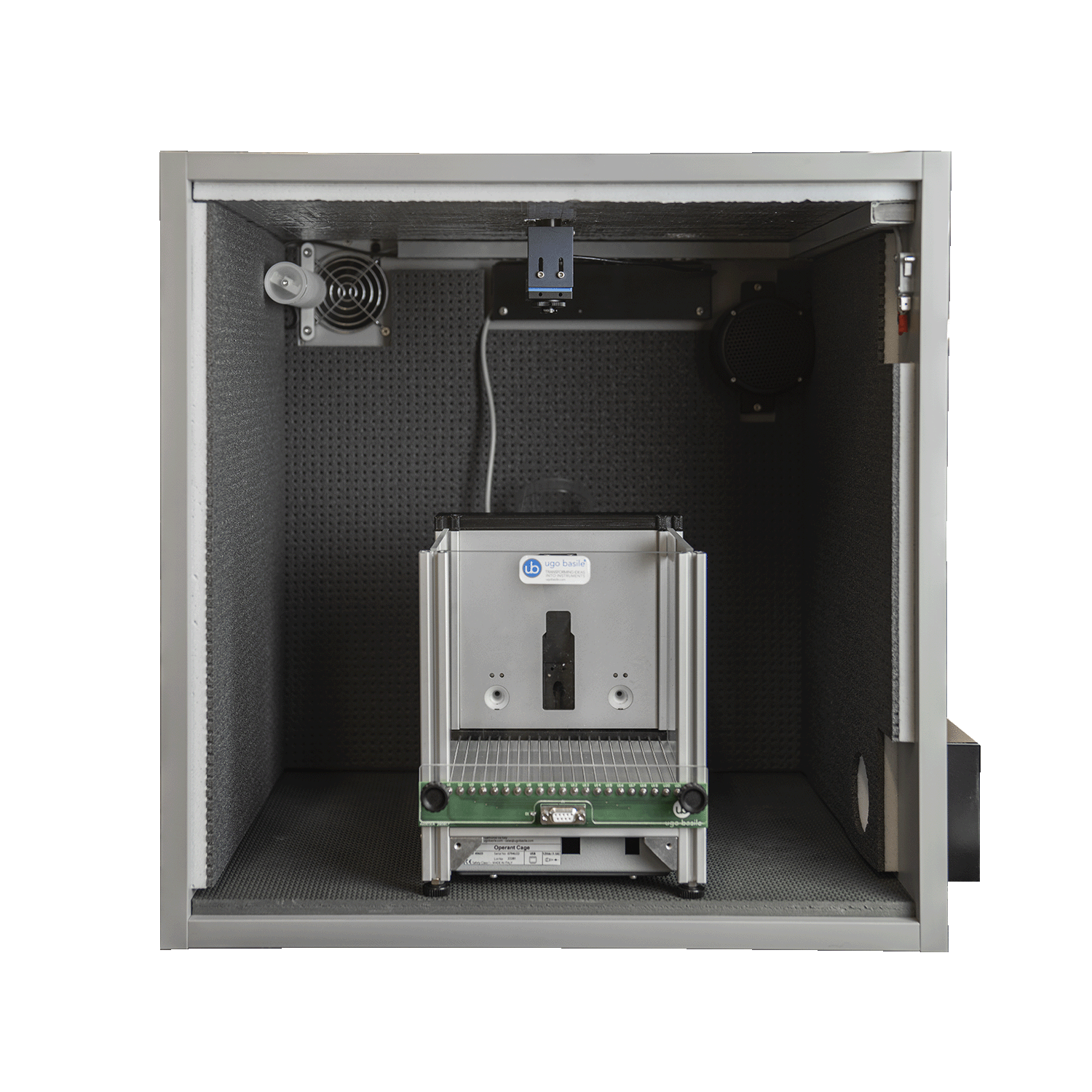
    Fear Conditioning complete system by Ugo Basile includes: cubicle, cage and Any-maze or other freezing detection software (e.g. Ethovision)

    The Ugo Basile Fear Conditioning system is composed of:

    • Isolation cubicle, including all electronics, fan, IR/VIS lights, camera (up to 16 cubicles can be connected to 1 PC)
    • The animal cage is available in different dimensions for rats and mice, plus the observational learning version to allow two animals to see each other. The standard...
  • Animal
    Mouse
    Videotracking
    Traditional, Infrared
    Operant Fear Conditiong Cage in a Fear Conditioning Isolation Cubicle, view of the operant wall

    The Operant Fear Conditioning Cage couples a classic skinner box with sound and light cues for complex experiments, as well as standard operant tests and fear conditioning protocols.

  • Animal
    Mouse

    The Visual Cliff test is a simple behavioral test used in neuroscience to determine whether a rodent can see properly and whether it can perceive depth (depth perception). It is one of the fastest and most reliable ways to assess functional vision, especially in mouse strains with genetic mutations that cause blindness or visual deficits.

    Before engaging into complex visual assessment...

  • Electric Schock Meter

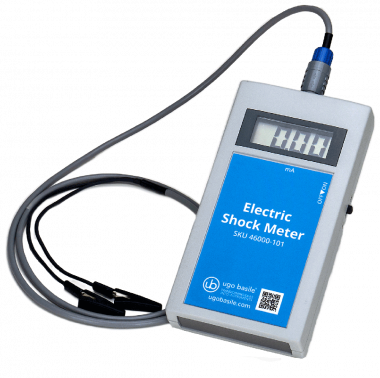
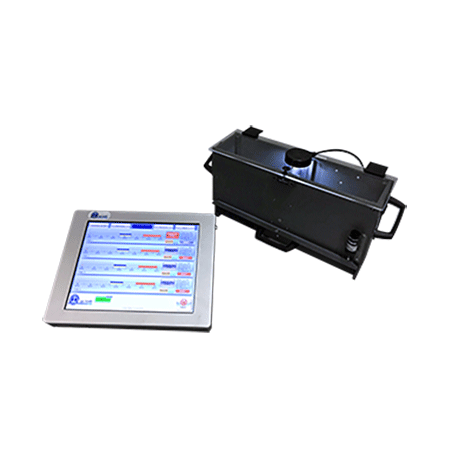
    An essential instrument to measure current on Ugo Basile devices using electric shock grid, such the Fear Conditioning System, Active an Passive avoidance system.

    Give the research the ability to measure the electric shock current not measurable by a common volt-meter. To ensure that the same current is delivered on multiple electric shock grids, while performing multiple test in...

  • Animal
    Mouse
    Operon Full System complete with Olfactrory Delivery System and Air Control System for Operon

    Set-shifting task has proven to be an effective preclinical tool for drug testing and genetic screening, with direct translational valence in healthy humans and patients with schizophrenia.

    The Ugo Basile Operon automatizes the Intra-/Extra-dimensional (ID/ED) attentional set-shifting battery of tests offering visual, olfactory and tactile stimulations, all controlled by software and...

  • Animal
    Mouse, Rat
    Pellet Dispenser on fully automated Multi-Maze, without manger, lateral close up

    The Ugo Basile Pellet Dispenser works with pellets between 10-20 mg for mice and 22-45 mg for rats. It has an extremely high delivery accuracy thanks to the redundant photobeam check.

    An embedded electronic board manages the DC motor and the photodiodes. An ethernet cable connects the Pellet Dispensers to the 8 channel control unit to independently manage up to 8 pellet...

  • Animal
    Mouse, Rat

    Antidepressant drugs and depression animal model genetic screening are commonly conducted by using the Tail Suspension Test (TST). This test is based on the aversive effect of hanging a mouse of rat by the tail, which elicits its struggling moving upwards in an attempt to escape (which is obviously not possible).

    The struggling attempt tends to be shorter in duration and translates...

  • Animal
    Mouse, Rat

    The flexible rodent Lickometer - Vogel Test can operate as both a simple software-based lickometer as well as a system for drinking-conflict experiments (coupled with electric shocks). For assessing anxiety and the anxiolytic effect of drugs.

    Rat and mouse models. Easy data collection within the included software for windows. Up to 5 cages can be managed by 1 PC.

  • Animal
    Mouse, Rat

    The Porsolt Forced Swim Test (FST), or Porsolt Swim Test (PST), also known as the Behavioral Despair Test, is centered on the way rodents respond to their threat of drowning. This has been correlated to their mood, or, more precisely to their level of depression, with non-depressed animals that swim longer than depressed animals, who, instead, give up and float immobile.

    By...

  • Animal
    Mouse, Rat
    3-chamber Conditined Place Preference, frontal view

    The Conditioned Place Preference (CPP) test is a widely used behavioral paradigm for evaluating the motivational properties of rewarding or aversive experiences. Ugo Basile offers a complete family of CPP systems, including 2-compartment, 3-compartment, and versions for thetered animals, designed to provide researchers with maximum flexibility in evaluating the abuse potential of substances...

  • Animal
    Mouse, Rat

    When rodents are exposed to inescapable and unpredictable stress, such as forced swim or inescapable foot shock, they often develop deficits in memory and learning tasks (e.g. Active Avoidance) and they often show analgesic reactions (S.I.A. Stress-Induced Analgesia).

    The Ugo Basile Set-Up for Learned Helplessness is based on a sophisticated generator of unpredictable random shocks...

  • Animal
    Mouse, Rat

    Passive Avoidance Test is used to assess memory function based on the association formed between a specific environmental context, which the animal learns to avoid and an aversive stimulus – represented by a mild foot shock.

    Efficient and reliable. Silent, automated sliding door divides the dark and light compartments. Systems for mice or rats. Manage up to 4 cages with one...

  • Animal
    Mouse

    A classic way to assess short or long-term memory in small laboratory animals (rodents) using a fear-motivated avoidance task. Used routinely in animal model studies of aging and Alzheimer-type dementia, including the search for new therapeutic drugs.

    An efficient, reliable instrument for use with mice (or small rats). A silent, automated sliding door divides compartments. Precision...

  • Animal
    Mouse, Rat

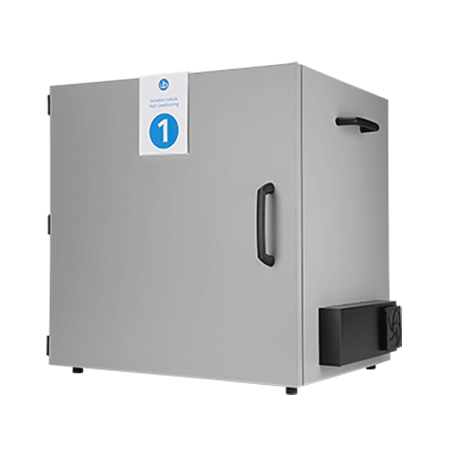
    The cubicle is a sound-attenuating chamber that isolates small animal subjects from distracting ambient light, sound and activity. For behavioral studies including operant behavior (Skinner), self-administration, etc.

    High-level soundproof efficacy, noiseless fan, control box. Extra fixtures (speaker and video camera holder) for fear conditioning studies. Available in standard, large...

  • Animal
    Mouse, Rat

    A set up for testing active avoidance (also called automatic reflex conditioner or shuttle box), i.e. learning to predict the occurrence of an aversive event, based on the presentation of a specific stimulus. Enables performance of a wide range of avoidance experiments using a flexible schedule. Precise detection of avoiding aversive event. Manage up to 4 cages with one controller.

Research insights

Behavioural neuroscience and preclinical research

Understanding how animals learn, remember and respond to environmental stimuli is central to neuroscience research. Behavioural assays in this domain cover a wide range of constructs, including associative learning, memory consolidation, anxiety, fear extinction, social interaction, stress response, addiction and reward processing.

These paradigms are widely used in preclinical neuropharmacology, translational psychiatry and neuroscience research.

Most used paradigms for behavioural neuroscience, conditioning and reward studies

Behavioural neuroscience relies on a broad range of paradigms to study learning, memory, anxiety, fear, stress, social interaction, addiction and reward processing in rodents. Conditioning paradigms include fear conditioning, active avoidance, passive avoidance and operant conditioning, which are used to investigate associative learning, memory retention, avoidance behaviour, reinforcement learning and goal-directed responses.

Startle and prepulse inhibition (PPI) paradigms are used to assess sensorimotor gating and translational models related to neuropsychiatric disorders like schizophrenia. Maze-based paradigms, including Morris water maze, Barnes maze, Y-maze, T-maze, radial arm maze, elevated plus maze and light/dark box, support the study of spatial learning, working memory, reference memory, anxiety-related behaviour and exploratory decision-making.

Open-field, social interaction, conditioned place preference, self-administration and other reward-related paradigms can be combined with video tracking to quantify locomotion, exploration, freezing, thigmotaxis, preference, social behaviour and reward-driven responses.

Operant systems are also designed for the most common Skinner-like experiments or for very complex tasks like the Attentional Set-Shifting protocol, which mimics the Wisconsin Card Sorting (or Cantab) test in humans.

Key measured parameters and behavioural readouts

Behavioural neuroscience studies rely on readouts that quantify learning, memory, fear responses, avoidance behaviour, exploratory activity, sensorimotor gating, social interaction and reward-related behaviour. Key measured parameters include freezing behaviour, response latency, number of avoidances, number of non-responses, intertrial crossings, startle amplitude, prepulse inhibition, locomotor activity, distance travelled, time spent in specific zones, thigmotaxis, exploration patterns, social interaction metrics and reward-related responses across repeated sessions.

These readouts help researchers assess associative learning, memory consolidation, fear extinction, anxiety-related behaviour, sensorimotor gating, addiction, reward processing and cognitive performance in rodent models. Depending on the experimental paradigm, behavioural data may be collected through conditioning chambers, avoidance systems, startle/PPI platforms, operant setups, mazes, open-field arenas or video-tracking systems. The Ugo Basile portfolio includes Fear Conditioning, Startle/PPI, Active and Passive Avoidance, Operant Conditioning systems, mazes and tracking-compatible behavioural arenas.

Ugo Basile instruments for behavioural neuroscience, conditioning and reward studies

For more than 60 years, Ugo Basile has designed and manufactured instruments for behavioural neuroscience, combining classical paradigms with continuously updated technology.

The Fear Conditioning System is designed to assess cued and contextual fear memory through automated freezing detection, with sound-attenuating chambers, VIS/IR illumination and compatibility with tethered animals for advanced techniques such as optogenetics, electrophysiology and fiber photometry. The system can be expanded up to multiple chambers and can also be upgraded to Startle/PPI using the same cubicle and electronics.

The Startle PPI 3.0 system is used to measure sensorimotor gating in rodents through startle responses to pulses and prepulses, with flexible software-driven protocol design and dedicated mouse and rat platforms.

Ugo Basile also offers Operant Conditioning solutions for reinforcement learning, goal-directed behaviour and reward-based experimental paradigms.

For avoidance learning and memory, Ugo Basile provides Active Avoidance and Passive Avoidance systems. Active Avoidance allows researchers to measure avoidances, non-responses, response latency and intertrial crossings in shuttle-box paradigms, while Passive Avoidance is used to assess short- and long-term memory based on fear-motivated learning.

The Conditioned Place Preference (CPP) test is a widely used behavioral paradigm for evaluating the motivational properties of rewarding or aversive experiences. The CPP paradigm provides information on the rewarding or aversive effects of visible and tactile contextual cues associated with drugs.

Frequently Asked Questions

What behavioural paradigms are used in preclinical neuroscience?

Preclinical behavioural neuroscience uses a wide range of paradigms to study learning, memory, anxiety, fear, stress, reward, addiction, social behaviour and exploratory activity. Common paradigms include fear conditioning, active avoidance, passive avoidance, operant conditioning, startle and prepulse inhibition, open field, social interaction tests, conditioned place preference, Morris water maze, Barnes maze, Y-maze, T-maze and radial arm maze.

Filters

Animal
Fields of application