

Research insights
Behavioural neuroscience and preclinical research
Understanding how animals learn, remember and respond to environmental stimuli is central to neuroscience research. Behavioural assays in this domain cover a wide range of constructs, including associative learning, memory consolidation, anxiety, fear extinction, social interaction, stress response, addiction and reward processing.
These paradigms are widely used in preclinical neuropharmacology, translational psychiatry and neuroscience research.
Most used paradigms for behavioural neuroscience, conditioning and reward studies
Behavioural neuroscience relies on a broad range of paradigms to study learning, memory, anxiety, fear, stress, social interaction, addiction and reward processing in rodents. Conditioning paradigms include fear conditioning, active avoidance, passive avoidance and operant conditioning, which are used to investigate associative learning, memory retention, avoidance behaviour, reinforcement learning and goal-directed responses.
Startle and prepulse inhibition (PPI) paradigms are used to assess sensorimotor gating and translational models related to neuropsychiatric disorders like schizophrenia. Maze-based paradigms, including Morris water maze, Barnes maze, Y-maze, T-maze, radial arm maze, elevated plus maze and light/dark box, support the study of spatial learning, working memory, reference memory, anxiety-related behaviour and exploratory decision-making.
Open-field, social interaction, conditioned place preference, self-administration and other reward-related paradigms can be combined with video tracking to quantify locomotion, exploration, freezing, thigmotaxis, preference, social behaviour and reward-driven responses.
Operant systems are also designed for the most common Skinner-like experiments or for very complex tasks like the Attentional Set-Shifting protocol, which mimics the Wisconsin Card Sorting (or Cantab) test in humans.
Key measured parameters and behavioural readouts
Behavioural neuroscience studies rely on readouts that quantify learning, memory, fear responses, avoidance behaviour, exploratory activity, sensorimotor gating, social interaction and reward-related behaviour. Key measured parameters include freezing behaviour, response latency, number of avoidances, number of non-responses, intertrial crossings, startle amplitude, prepulse inhibition, locomotor activity, distance travelled, time spent in specific zones, thigmotaxis, exploration patterns, social interaction metrics and reward-related responses across repeated sessions.
These readouts help researchers assess associative learning, memory consolidation, fear extinction, anxiety-related behaviour, sensorimotor gating, addiction, reward processing and cognitive performance in rodent models. Depending on the experimental paradigm, behavioural data may be collected through conditioning chambers, avoidance systems, startle/PPI platforms, operant setups, mazes, open-field arenas or video-tracking systems. The Ugo Basile portfolio includes Fear Conditioning, Startle/PPI, Active and Passive Avoidance, Operant Conditioning systems, mazes and tracking-compatible behavioural arenas.
Ugo Basile instruments for behavioural neuroscience, conditioning and reward studies
For more than 60 years, Ugo Basile has designed and manufactured instruments for behavioural neuroscience, combining classical paradigms with continuously updated technology.
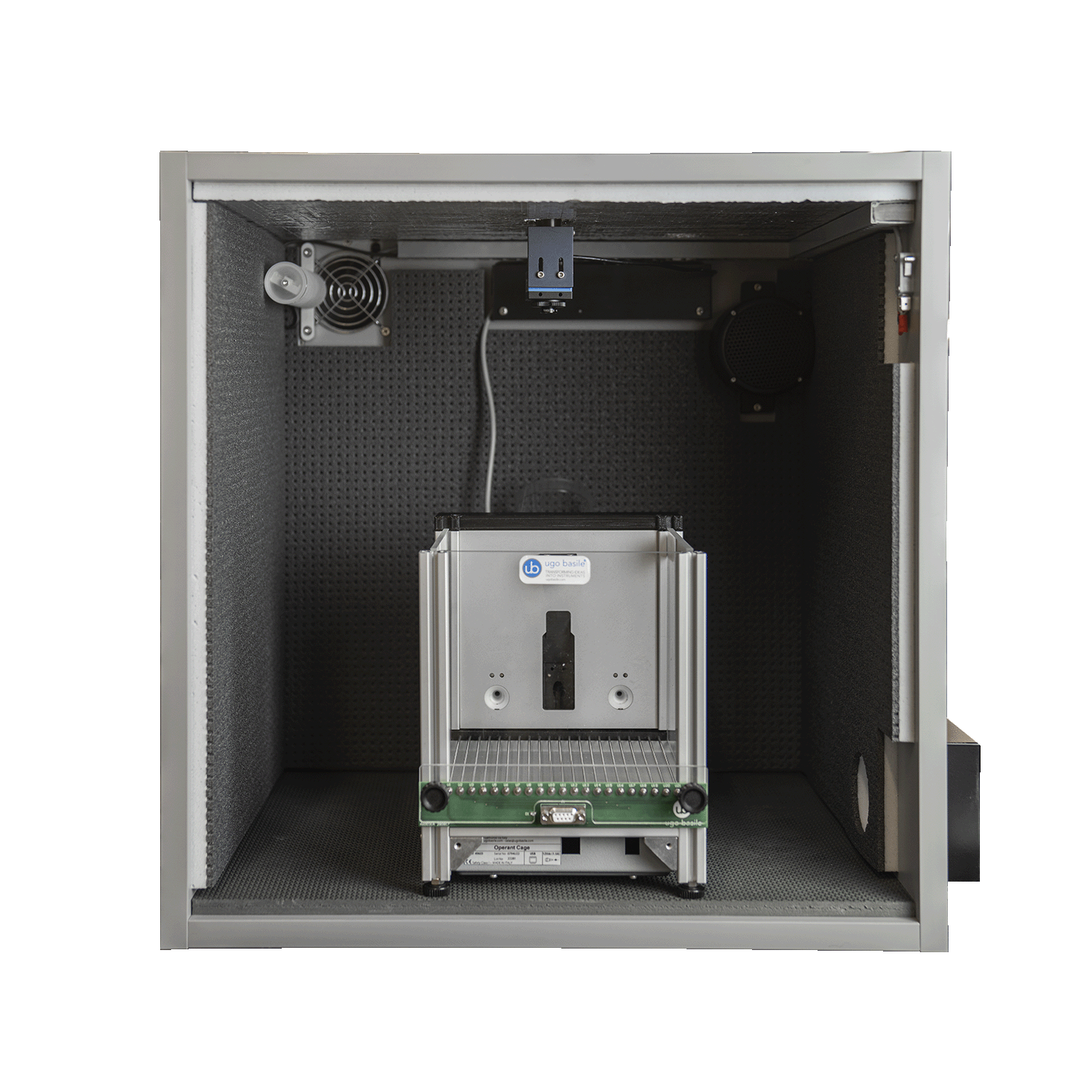
The Fear Conditioning System is designed to assess cued and contextual fear memory through automated freezing detection, with sound-attenuating chambers, VIS/IR illumination and compatibility with tethered animals for advanced techniques such as optogenetics, electrophysiology and fiber photometry. The system can be expanded up to multiple chambers and can also be upgraded to Startle/PPI using the same cubicle and electronics.
The Startle PPI 3.0 system is used to measure sensorimotor gating in rodents through startle responses to pulses and prepulses, with flexible software-driven protocol design and dedicated mouse and rat platforms.
Ugo Basile also offers Operant Conditioning solutions for reinforcement learning, goal-directed behaviour and reward-based experimental paradigms.
For avoidance learning and memory, Ugo Basile provides Active Avoidance and Passive Avoidance systems. Active Avoidance allows researchers to measure avoidances, non-responses, response latency and intertrial crossings in shuttle-box paradigms, while Passive Avoidance is used to assess short- and long-term memory based on fear-motivated learning.
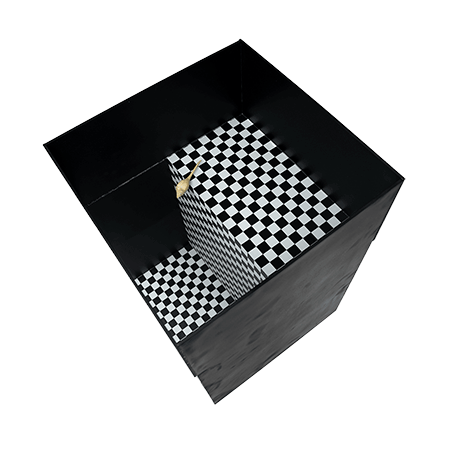
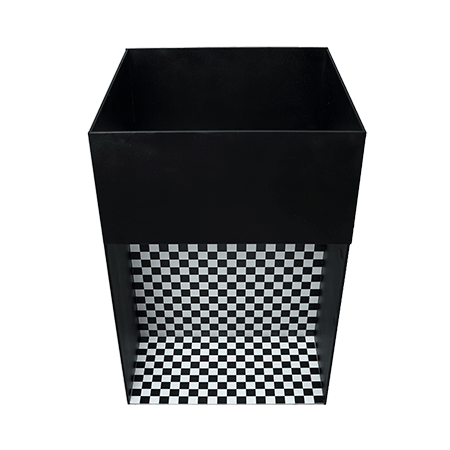
The Conditioned Place Preference (CPP) test is a widely used behavioral paradigm for evaluating the motivational properties of rewarding or aversive experiences. The CPP paradigm provides information on the rewarding or aversive effects of visible and tactile contextual cues associated with drugs.
Frequently Asked Questions
Preclinical behavioural neuroscience uses a wide range of paradigms to study learning, memory, anxiety, fear, stress, reward, addiction, social behaviour and exploratory activity. Common paradigms include fear conditioning, active avoidance, passive avoidance, operant conditioning, startle and prepulse inhibition, open field, social interaction tests, conditioned place preference, Morris water maze, Barnes maze, Y-maze, T-maze and radial arm maze.