Quote list0
Your product list is empty!


new
Thermal Gradient Ring (TGR) 2.0

Product Code:35530

Best choice for thermal preference phenotyping

Now available for tethered and non-tethered Mice

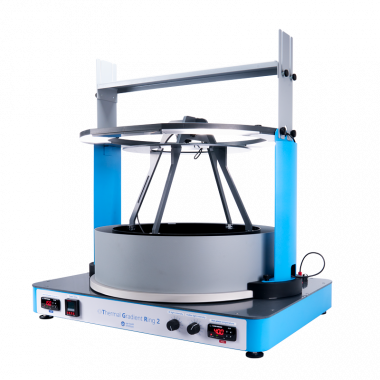
The state-of-the-art thermal preference assay designed with a circular shape. Fully automatic, up to 36 scientific publications

The TGR can clearly discriminates temperature-dependent phenotypes or temperature dependent drug effects.

It records and analyses thermal preference/avoidance in mice. For neuropathic pain studies, peripheral neuropathy, temperature sensitivity and insensitivity assessment in basic research, phenotyping and drug screening.

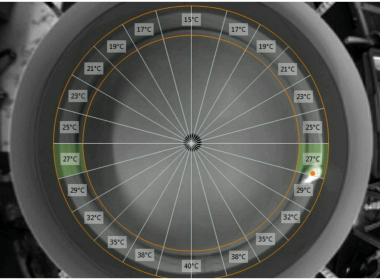
The animal is freely moving, its position is tracked by a camera, and no user intervention is required to gather time spent in each temperature zone (12 zones in duplicate) and many other parameters, like the preferred temperature zone.

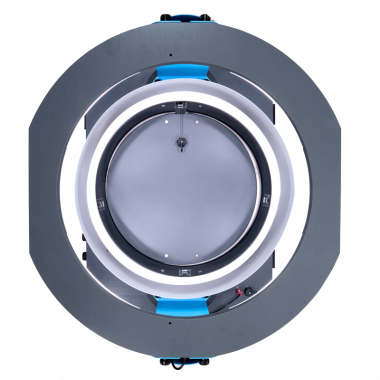
The TGR's circular maze design allows the animal to freely move around the ring floor, thereby avoiding the stereotypical habit that mice have of staying in a corner, as occurs in traditional rectangular systems.

It is a cost effective and bias-free tool to obtain reproducible data in a very broad range of thermal stimulation experiments.

The new version is designed to use also cabled animals for optogenics, electrophysiology and other techniques which require the use of wires.

Model
Software (Required field) If you already have a ANY-maze licence or a video-tracking software please write this information in the "Notes and Special Requests" section on the quote confirmation page.
Optional TGRPlease see "Ordering Information" for more details. For special requests use "Notes and Special Requests" section on the quote confirmation page.
UB Care Additional Warranty Extension
An extended warranty can be added for most Ugo Basile products. You can find this information in the ordering information section of each product.
To learn more about the extended warranty, CLICK HERE

Background

  • The cellular and molecular mechanisms of temperature sensing receptors (e.g. transient receptor, TRP, channels) and thermoregulation are the subject of intensive studies in neuropathic pain, peripheral neuropathy and temperature preference in general.
  • The novel circular thermal gradient assay opens new opportunities for thermal preference and avoidance and addresses limitations imposed by classic linear equipment (lack of animal freedom, limited thermal choice, inability to make discerning exploratory behaviour, experimental biases).
  • The TGR is based on the paper "Comprehensive thermal Preference Phenotyping in Mice using a Novel Automated Circular Gradient Assay”
  • The TGR can clearly discriminate temperature-dependent phenotypes or drug effects and its advantages over other techniques (i.e. linear corridors, two-choice temperature preference) are well described in the 2024 paper "Thermal gradient ring for analysis of temperature-dependent behaviors involving TRP channels in mice" (T. Ujisawa, J. Lei, M. Kashio, M. Tominaga, 2024, The Journal of Physiological Sciences)

Novel device, bias-free data, cost effective

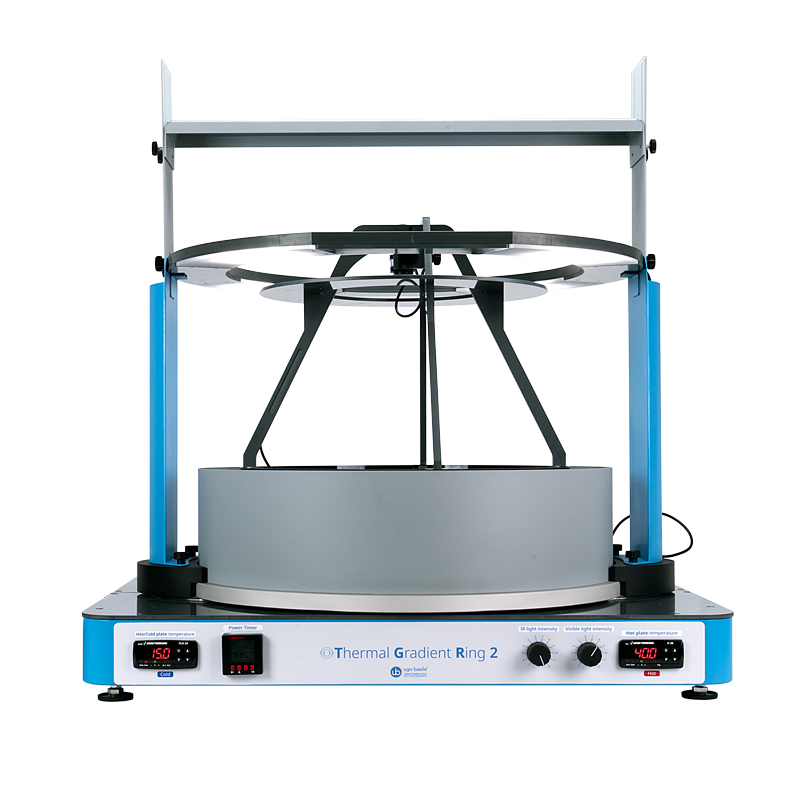
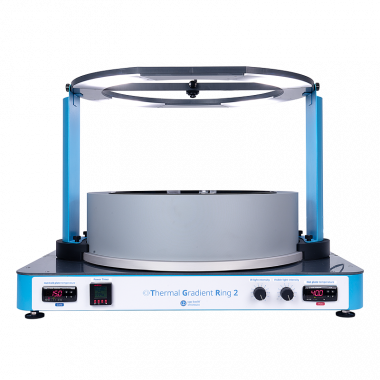
  • The Thermal Gradient Ring has a 45 cm inner diameter, 57 cm outer diameter, and 24 cm height.
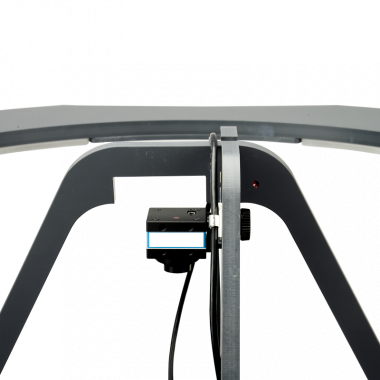
  • A camera is located on the upper side of the apparatus, which includes an infrared camera and an infrared transmissive inner wall.
  • In the TGR mice can freely move around the ring floor, thereby avoiding the stereotypical habit that mice have of staying in a corner, as occurs in rectangular systems.
  • The behavioral data is obtained by video-tracking and can be videotaped to then let the software automatically analyse the “spent time”, “travel distance” or “speed”.
  • A “preference temperature” can be defined as the mean value using the zone temperature and “spent time” and the % of time spent above this temperature will be automatically calculated.

Measurement Parameters analysed

  • Thermal zone occupancy: % of time spent in a zone.
  • Zone entries: number of entries in each zone
  • Preference temperature: calculated as the weighted preferred temperature
  • A “preference temperature” can be defined as the mean value using the zone temperature and “spent time” and the % of time spent above this temperature will be automatically calculated.
  • Cumulative distance: calculation of the cumulative distance per zone or per the whole apparatus
  • Coordinates of location within the Ring: Can be used to visualize mouse behaviour in the ring with Heat Maps

Now also for cabled animals

  • The new TGR design keeps all its previous benefits while also allows the utilization of cabled animals for optogenetics or electrophysiology

Features

Benefits

New circular design, internal diameter 45cm, outer diameter 57cm

Duplicate values, no border effects, no spatial cues

New design which includes swivel support and has no obstruction for animal mounted wires Allows for utilization of techniques that required cabled animals, such as optogenetics, electrophysiology and others

Thermal Insulated Ring-shaped Aluminum Runway

More sensitive than previous methods: bias-free, reproducible data

Heater and cooler on opposite sides, to establish a symmetric gradient

Gradient setup superior to two-plate choice design

12 zones per side (specular), 40cm2 each

Temperature Δ proportionally divided into 12 (in the method paper 15°C-40°C = 2.27°C per zone)

4 thermocouples embedded in the thermal gradient ring

The exact temperature gradient measured in real time

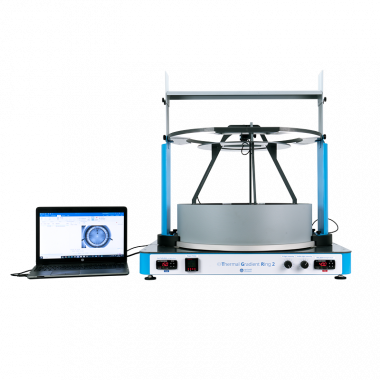
CCD-camera (included in the standard package, with its dedicated support) and ANYmaze video-tracking software

Behavior recorded automatically during 60 minutes

The system includes a set of 4 dual (visible/I.R.) lights Ideal for videotracking: perfect view even in the dark
Control ambient temperature Improve temperature accuracy avoiding laboratory temperature oscillations

General

Controls

All controls centralised on the front panel

Preset Temperature Read-out

On LCD display on the front panel

Detection

Via ANY-Maze specific protocol for TGR through integrated USB camera

Sound emission

68 dB

Power requirements

Universal input 90-260 VAC, 50-60Hz, 350W max

Communication interface Integrated 1 USB-B port


Operation

Temperature Range

Heating Plate: from 20°C to 65°C

Heating/cooling Plate: from 4°C to 65°C

Precision 1°C
Temperature feedback By 4 thermocouples monitored in real time by ANYmaze software
Light Intensity (I.R.) Set by potentiometer with graded scale
Light Intensity (visible) Set by potentiometer with graded scale


Physical

Internal diameter 45 cm
Outer diameter 57,5 cm
Corridor Width 6.5 cm

Wall Height standard

15 cm

Wall Height optional 25 cm

Dimensions

81x60x86(h)cm

Weight

49.5 Kg


Warranty

Warranty 35530 is covered by a 12-months warranty + 12 months after product registration
UB-Care Additional UB-Care can be added for other 12 or 24 months

"Currently available behavioral assays to quantify normal temperature sensitivity, hypersensitivity,  hyperalgesia and temperature preference/avoidance in mice have created conflicting results in the literature.

Some only capture a limited spectrum of thermal experiences, others are prone to experimenter bias or are not sensitive enough to detect the contribution of ion channels to temperature sensing because in mice smaller alterations in temperature preference may not manifest as explicit behavioral changes or may be masked by confounding factors and require high sensitivity.

To overcome current limitations, we have designed a novel device that is automated, provides a high degree of freedom, i.e. thermal choice, and eliminates experimenter bias. The device represents a thermal gradient assay designed as a circular running track. It allows discerning exploratory behavior from thermal selection behavior and provides increased accuracy by providing measured values in duplicate and by removing edge artifacts.

The assay delivers discrete information on a large range of parameters extracted from the occupancy of thermally defined zones such as preference temperature and skew of the distribution.

We demonstrate that the assay allows increasingly accurate phenotyping of thermal sensitivity in transgenic mice by disclosing yet unrecognized details on the phenotypes of TRPM8-, TRPA1- and TRPM8/A1-deficient mice." From "Comprehensive thermal preference phenotyping in mice using a novel automated circular gradient assay (Touska et al. 2016)"

Other scientists, like the M. Tominaga team in Japan, the R. Russo in Naples and the Tegeder team in Germany showed applications in Parkinson’s disease and chronic pain, TRP knock-out mice behaviors and testing of molecule candidates to interact with TRP receptors, which have been shown to be a valuable pharmacological option several therapeutic areas.

The paper "Thermal gradient ring for analysis of temperature-dependent behaviors involving TRP channels in mice", pubblished in 2024, describes the TGR method and compares its benefits to current methods for temperature preference and avoidance studies.

35530 Thermal Gradient Ring 2.0

35530

Set-up for Thermal Gradient Ring (Zimmermann's method) TGR 2.0 - for thetered and non-tethered animal, circular corridor with enclosing opaque walls, USB camera with dual (visible/I.R. lights). ANY-maze Software to be ordered separately (TGR limited version available)


Software (REQUIRED choose one)

60000-TG ANY-maze software for Thermal Gradient Ring - (THERMAL GRADIENT RING TEST ONLY), Upgrade to full version available as later option.
60000 ANY-maze, flexible video tracking system designed to automate testing in behavioural experiments. Full License, including lifelong support and updates.
(TGR device already included in the available devices list)


Optional

35580-US

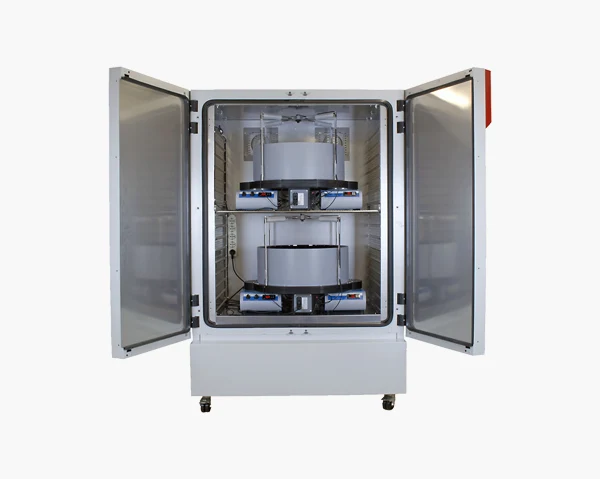
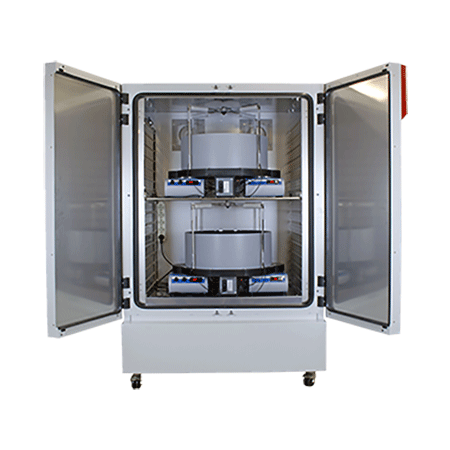
Thermal conditioned cabinet ready to hold 2 TGR devices (for USA 220/240 Volt US plug). Temperature range from -10 up to 100 °C

35580-EU

Thermal conditioned cabinet ready to hold 2 TGR devices (for Europe 220/240 Volt EU plug). Temperature range from -10 up to 100 °C

35530-003 Thermal Gradient ring high maze walls set (25cm)


Warranty

Warranty 35530 is covered by a 12-months warranty + 12 months after product registration
35530-UBC12 UB Care 12 Additional hardware warranty extension 12 months for TGR (Valid for SKU 35530)
35530-UBC24 UB Care 12 Additional hardware warranty extension 24 months for TGR (Valid for SKU 35530)

Peer-reviewed publications

Garcia, A. et al. (2026). “Experimenter-free pain assessment in mice using a thermal gradient ring and functional linear models”. Pain Reports. DOI: https://doi.org/10.1097/PR9.0000000000001469

Gaffney, C. M. et al. (2026). “Inflammatory neuropathy in mouse and primate models of colorectal cancer”. Nature Communications. DOI: https://doi.org/10.1038/s41467-026-76683-1

Vanegas, S. O. et al. (2026). “Anti-inflammatory and analgesic potential of minor cannabinoids in vivo”. Journal of Cannabis Research. DOI: https://doi.org/10.1186/s42238-025-00384-7

Franck, L. et al. (2026). “Modest improvement of metabolic and behavioral deficits with long-term ambroxol treatment in a Pink1−/−SNCAA53T double mutant mouse model of Parkinson's disease”. Acta Pharmacologica Sinica. DOI: https://doi.org/10.1038/s41401-025-01690-9


Chrétien, B. et al. (2026). “Efficacy of N-acetylcysteine in enhancing paracetamol's analgesic effect and inhibiting hepatotoxicity: a preclinical mouse model”. Pain Reports. DOI: https://doi.org/10.1097/PR9.0000000000001461


De Melo, P. et al. (2025). “Behavior-driven monitoring of thermogenesis in mice using a thermal gradient ring”. American Journal of Physiology-Endocrinology and Metabolism. DOI: https://doi.org/10.1152/ajpendo.00133.2025


Tinajero, A. et al. (2025). “Spontaneous and pharmacologically induced hypothermia protect mice against endotoxic shock”. British Journal of Pharmacology. DOI: https://doi.org/10.1111/bph.70000


Hakim, S. et al. (2025). “Macrophages protect against sensory axon loss in peripheral neuropathy”. Nature. DOI: https://doi.org/10.1038/s41586-024-08535-1


Deakin, T. et al. (2025). “Automated thermal gradient test for unprovoked assessment of nociceptive preference in rodents”. Frontiers in Behavioral Neuroscience. DOI: https://doi.org/10.3389/fnbeh.2025.1709160


Tominaga, M. et al. (2024). “Thermal gradient ring for analysis of temperature-dependent behaviors involving TRP channels in mice”. The Journal of Physiological Sciences. DOI: https://doi.org/10.1186/s12576-024-00903-w


Zimmermann, K. et al. (2024). “Topical menthol, a pharmacological cold mimic, induces cold sensitivity, adaptive thermogenesis and brown adipose tissue activation in mice”. Diabetes, Obesity and Metabolism. DOI: https://doi.org/10.1111/dom.15781


Hastings, L. E. et al. (2024). “Cold nociception as a measure of hyperalgesia during spontaneous heroin withdrawal in mice”. Pharmacology Biochemistry and Behavior. DOI: https://doi.org/10.1016/j.pbb.2023.173694


Lei, J. et al. (2023). “Involvement of skin TRPV3 in temperature detection regulated by TMEM79 in mice”. Nature Communications. DOI: https://doi.org/10.1038/s41467-023-39712-x


Vogel, A. et al. (2023). “Repetitive and compulsive behavior after Early-Life-Pain associated with reduced long-chain sphingolipid species”. Cell & Bioscience. DOI: https://doi.org/10.1186/s13578-023-01106-3


Chuong, V. et al. (2023). “The glucagon-like peptide-1 (GLP-1) analogue semaglutide reduces alcohol drinking and modulates central GABA neurotransmission”. JCI Insight. DOI: https://doi.org/10.1172/jci.insight.170671


Richardson, R. S. et al. (2023). “Pharmacological GHSR (ghrelin receptor) blockade reduces alcohol binge-like drinking in male and female mice”. Neuropharmacology. DOI: https://doi.org/10.1016/j.neuropharm.2023.109643


Valek, L. et al. (2022). “Cold avoidance and heat pain hypersensitivity in neuronal nucleoredoxin knockout mice”. Free Radical Biology and Medicine. DOI: https://doi.org/10.1016/j.freeradbiomed.2022.09.010


Tominaga, M. et al. (2022). “Thermal gradient ring reveals thermosensory changes in diabetic peripheral neuropathy in mice”. Scientific Reports. DOI: https://doi.org/10.1038/s41598-022-14186-x


Xue, Y. et al. (2022). “The Human SCN9AR185H Point Mutation Induces Pain Hypersensitivity and Spontaneous Pain in Mice”. Frontiers in Molecular Neuroscience. DOI: https://doi.org/10.3389/fnmol.2022.913990


Tominaga, M. et al. (2022). “Thermal gradient ring reveals different temperature-dependent behaviors in mice lacking thermosensitive TRP channels”. The Journal of Physiological Sciences. DOI: https://doi.org/10.1186/s12576-022-00835-3


Valek, L. et al. (2021). “Prodromal sensory neuropathy in Pink1−/−SNCAA53T double mutant Parkinson mice”. Neuropathology and Applied Neurobiology. DOI: https://doi.org/10.1111/nan.12734


Bertamino, A. et al. (2020). “Exploration of TRPM8 Binding Sites by β-Carboline-Based Antagonists and Their In Vitro Characterization and In Vivo Analgesic Activities”. Journal of Medicinal Chemistry. DOI: https://doi.org/10.1021/acs.jmedchem.0c00816


Zimmerman, K. et al. (2017). “Cold Temperature Encoding by Cutaneous TRPA1 and TRPM8-Carrying Fibers in the Mouse”. Frontiers in Molecular Neuroscience. DOI: https://doi.org/10.3389/fnmol.2017.00209


Zimmerman, K. et al. (2016). “Comprehensive thermal preference phenotyping in mice using a novel automated circular gradient assay”. Temperature. DOI: https://doi.org/10.1080/23328940.2015.1135689


Preprints

Cheng, Y.-T. et al. (2026). “Colitis-induced visceral pain recruits central neurotensin neurons that modulate colonic sensitivity”. bioRxiv [Preprint]. DOI: https://doi.org/10.64898/2026.02.27.708254


Spahn, J. et al. (2026). “Nerve injury triggers nociceptive hypersensitivity with interhemispheric divergence in haplodeficient GAD67-GFP mice”. bioRxiv [Preprint]. DOI: https://doi.org/10.64898/2026.05.17.725734


Wang, L. et al. (2025). “A specialized cold sensing system in the naked mole-rat”. bioRxiv [Preprint]. DOI: https://doi.org/10.1101/2025.09.25.678629


Tegeder, I. et al. (2022). “Optogenetic Early Life Pain leads to cortical hyperexcitability, nociceptive hypersensitivity and repetitive behavior”. Research Square [Preprint]. DOI: https://doi.org/10.21203/rs.3.rs-2051833/v1


Theses / dissertations

Richardson, R. S. (2023). “Binge-Like Alcohol Drinking: The Intersection of Ghrelin, Stress, and Alcohol Use Disorder”. Doctoral dissertation / thesis.
Editorial note: Retain only if theses are intentionally included on the website.


Lei, J. (2022). “Interaction between TRPV3 and TMEM79 in mouse keratinocytes and its physiological significance”. Doctoral thesis.

Back to: Pain and Inflammation

Research insights

Preclinical research in pain and inflammation

Pain affects an estimated 20% of adults worldwide, with millions of new chronic pain cases diagnosed every year. Yet, it remains insufficiently addressed as a major public health issue. Recognizing pain as a complex condition influenced by biological, social and environmental factors is essential to improve research, prevention, treatment and health policies.

Developing safer and more effective pain management strategies requires a deeper understanding of the biological mechanisms underlying pain and inflammation. In this context, preclinical research plays a fundamental role in identifying therapeutic targets, evaluating novel treatments and generating evidence to support translation into clinical practice.

Most used paradigms for pain and inflammation research

Pain and inflammation research uses a combination of evoked and spontaneous paradigms to assess nociception, hypersensitivity, inflammatory responses and pain-related impairment in rodents. Evoked thermal paradigms include plantar stimulation, tail flick, hot/cold plate testing, thermal place preference and thermal gradient assessment, which are used to investigate heat sensitivity, cold sensitivity, thermal hyperalgesia, allodinya and thermal preference or avoidance.

Mechanical paradigms include dynamic plantar stimulation, electronic or manual Von Frey testing, paw pressure testing and direct joint pressure application, supporting the assessment of mechanical allodynia, hyperalgesia and joint hypersensitivity. Spontaneous pain paradigms include weight-bearing asymmetry, postural imbalance, vertical activity and gait or locomotor changes, which are particularly relevant in arthritis, neuropathic pain, bone cancer pain, post-surgical pain and inflammatory models.

Inflammation can also be evaluated as a dedicated endpoint through paw volume and oedema measurement, allowing researchers to quantify experimentally induced swelling and pharmacological treatment effects.

Specific pain conditions like the ones involving the Trigeminal nerve are assessed by dedicated devices for thermal and mechanical stimulation of the animal vibrissae area, during the Orofacial Test.

Key behavioral readouts in pain assessment

Pain and inflammation studies rely on behavioural readouts that quantify nociceptive thresholds, hypersensitivity, inflammatory responses and spontaneous pain-related behaviour. Key measured parameters include paw withdrawal latency after thermal stimulation, tail flick latency, vocalization, jumping, mechanical withdrawal threshold, force threshold, paw volume, oedema, hind paw weight distribution, thermal preference or avoidance, time spent in specific temperature zones, postural asymmetry and pain-related changes in locomotion or vertical activity.

These readouts help researchers assess hyperalgesia, allodynia, inflammatory pain, joint pain, neuropathic pain, post-surgical pain and treatment effects across different rodent models. By combining evoked responses with spontaneous behavioural endpoints, preclinical pain research can capture both stimulus-induced sensitivity and more naturalistic pain-related impairment. Ugo Basile’s pain portfolio includes instruments for thermal, mechanical, inflammatory and spontaneous pain assessment, including Plantar Test, Dynamic Plantar Aesthesiometer, Hot/Cold Plate, Electronic Von Frey, Plethysmometer, Librae Incapacitance Tester and Climbing Test.

Ugo Basile instruments for pain and inflammation research

Since 1963, Ugo Basile has supported pain and inflammation research with instruments designed to measure nociceptive thresholds, hypersensitivity, inflammatory responses and spontaneous pain-related behaviour in rodents.

Ugo Basile offers a complete portfolio of instruments for preclinical pain and inflammation research, covering thermal, mechanical, inflammatory and spontaneous pain-related endpoints.

Ugo Basile devices for thermal stimulation

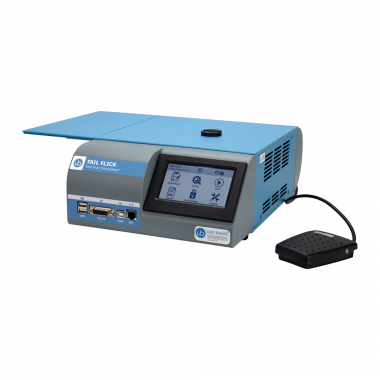
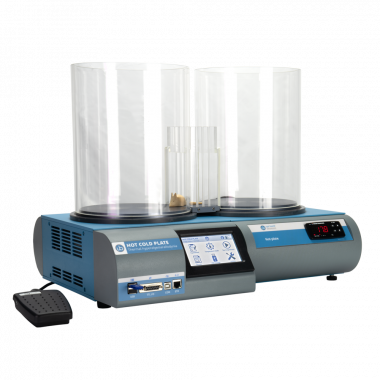
The Plantar Test is used for thermal hyperalgesia studies through radiant heat stimulation of the hind paw and automatic paw-withdrawal detection. It is the gold standard for Thermal Hyperalgesia tests in unrestrained animals. The Tail Flick measures nociceptive thresholds to infrared heat stimulation of the tail and is especially suited to rapid, reflex-based analgesic screening with possibility to run repeated tests thanks to the lack of learning being the tail flick a reflexive response. The Hot/Cold Plate supports hot and cold sensitivity studies, including constant temperature, ramping and complex temperature protocols, while the Thermal Place Preference and Thermal Gradient Ring allow researchers to evaluate thermal preference and avoidance in freely moving animals. Both systems involve a cognitive component and in fact repeated tests on the same animal are subject to hyper- or hypo- responses due to previous test experience.

Orofacial Stimulation measures hypersensitivity to thermal (hot and cold) and/or mechanical stimulation of the orofacial area in rats (mouse adaptor available) and is used for research into a wide range of pain conditions involving the trigeminal nerve with no need to cut vibrissae.

Ugo Basile devices for evoked mechanical stimulation

For mechanical sensitivity, the Dynamic Plantar Aesthesiometer provides automated force application and paw-withdrawal scoring for mechanical allodynia studies, while the Electronic Von Frey and Von Frey Filaments support mechanical threshold assessment across different force ranges. The PAM – Pressure Application Measurement system is designed for joint pain and arthritis models, enabling direct quantifiable stimulation of rodent joints. However the PAM can also be used with specific applicators for other parts of the body from the paws to the back and spinal chord, etc. Analgesy-Meter is typically used for inflammatory conditions to measure to measure mechanical sensitivity and pain threshold of pressure applied on mic or rat paw for basic or applied research or phenotyping.

Ugo Basile spontaneous pain apparatus

The Climbing Test adds a vertical activity endpoint for spontaneous pain, motor function and activity-related studies. Librae Incapacitance Tester assesses hind paw weight distribution as an objective measure of spontaneous pain. Plethysmometer measures paw volume and oedema.

Frequently Asked Questions

What instruments are used to measure pain in rodents?

Rodent pain can be assessed using different instruments depending on the type of pain response being studied. Thermal pain is commonly measured with plantar stimulation systems, tail flick meters, hot/cold plates, thermal place preference systems and thermal gradient paradigms. Mechanical sensitivity is assessed with dynamic plantar aesthesiometers, electronic Von Frey devices, manual Von Frey filaments, paw pressure systems and joint pressure tools. Spontaneous pain and inflammation can be evaluated through weight-bearing asymmetry, paw volume measurement, gait analysis and activity-based readouts.