

Research insights
Motory coordination in preclinical neuroscience
Motor coordination and balance are sensitive readouts of central and peripheral nervous system integrity. Their measurement is relevant across a broad range of research contexts, including the characterization of motor phenotypes in transgenic or knock-out animals, the assessment of lesions or pharmacological interventions, disease progression monitoring in neurodegenerative models and the detection of age-related motor decline.
Most used paradigms for motor coordination and motor function research
Motor coordination and motor function research uses paradigms designed to challenge balance, coordination, strength, endurance, spontaneous activity and locomotor performance in rodents. The Rotarod paradigm is widely used to assess motor coordination, balance, fatigue resistance and motor learning by measuring the animal’s ability to remain on a rotating rod under fixed-speed, accelerating or more complex protocols.
Grip strength paradigms evaluate neuromuscular strength and grasping force, providing a complementary measure of central and peripheral motor function. Activity monitoring and open-field paradigms are used to assess spontaneous locomotion, exploratory behaviour and activity changes over time, while treadmill paradigms support controlled exercise, fatigue, endurance and rehabilitation studies.
Automated gait analysis paradigms expand motor assessment by quantifying freely moving locomotion, including stride dynamics, paw placement, body axis stability and coordination patterns, making them particularly useful in neurodegenerative, neuromuscular, ageing, lesion and pharmacological intervention models.
Key measured parameters and behavioural readouts in motor coordination and motor function studies
Motor coordination and motor function studies rely on behavioural readouts that quantify balance, strength, endurance, gait, spontaneous activity and locomotor performance. Key measured parameters include latency to fall, time spent on a rotating rod, grip force, fatigue resistance, locomotor activity, distance travelled, speed, stride length, stance and swing time, paw placement, body axis stability, coordination patterns and gait asymmetry.
These readouts help researchers characterize motor impairment, neuromuscular function, disease progression, treatment effects, recovery after injury and age-related motor decline in rodent models. Traditional motor tests such as Rotarod and Grip Strength provide robust measures of coordination and strength, while activity monitoring, treadmill protocols and automated gait analysis expand the assessment to spontaneous movement, endurance and detailed locomotor parameters. Ugo Basile instruments in this area include Rotarod, Grip Strength Meter, Activity Cages/Open Fields, Treadmills and the GA.I.T Analysis System.
Ugo Basile instruments for motor coordination and motor function research
Ugo Basile offers a dedicated portfolio for motor coordination, motor function, neuromuscular performance and spontaneous activity assessment in rodents.
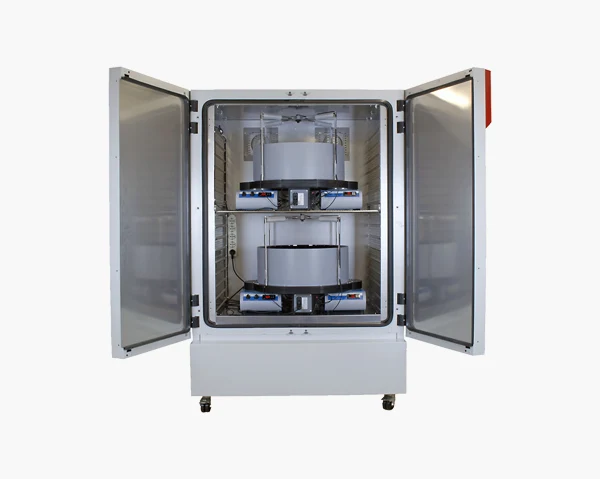
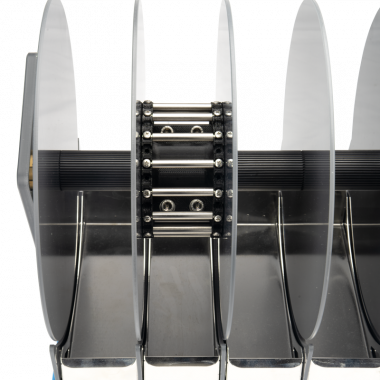
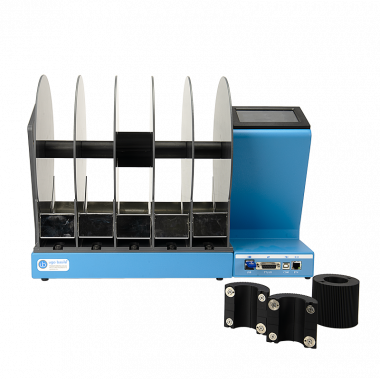
The RotaRod is the gold standard for motor coordination studies, used to evaluate balance, motor learning, fatigue resistance and motor impairment by measuring how long the animal remains on a rotating rod. The Ugo Basile RotaRod is the 1st and original, invented after the Dunham and Miya method (1957) and today has more than 7,200 citations in the literatureis. Is available in mouse, rat and large-rat versions, with constant, accelerating, rocking and complex ramp protocols managed through X-Pad software.
The Balance Beam Walking Test is a sensitive assay for evaluating coordination, balance and fine motor control in mice and is ideal for studying neurodegeneration, injury recovery and sensorimotor learning. The Grip Strength Meter is used to assess neuromuscular strength and grasping force, providing a complementary readout to coordination and balance tests. Activity Cages and Open Field systems support the measurement of spontaneous activity, exploratory behaviour and locomotor changes. Treadmills are used for controlled exercise, fatigue, endurance and motor performance protocols.
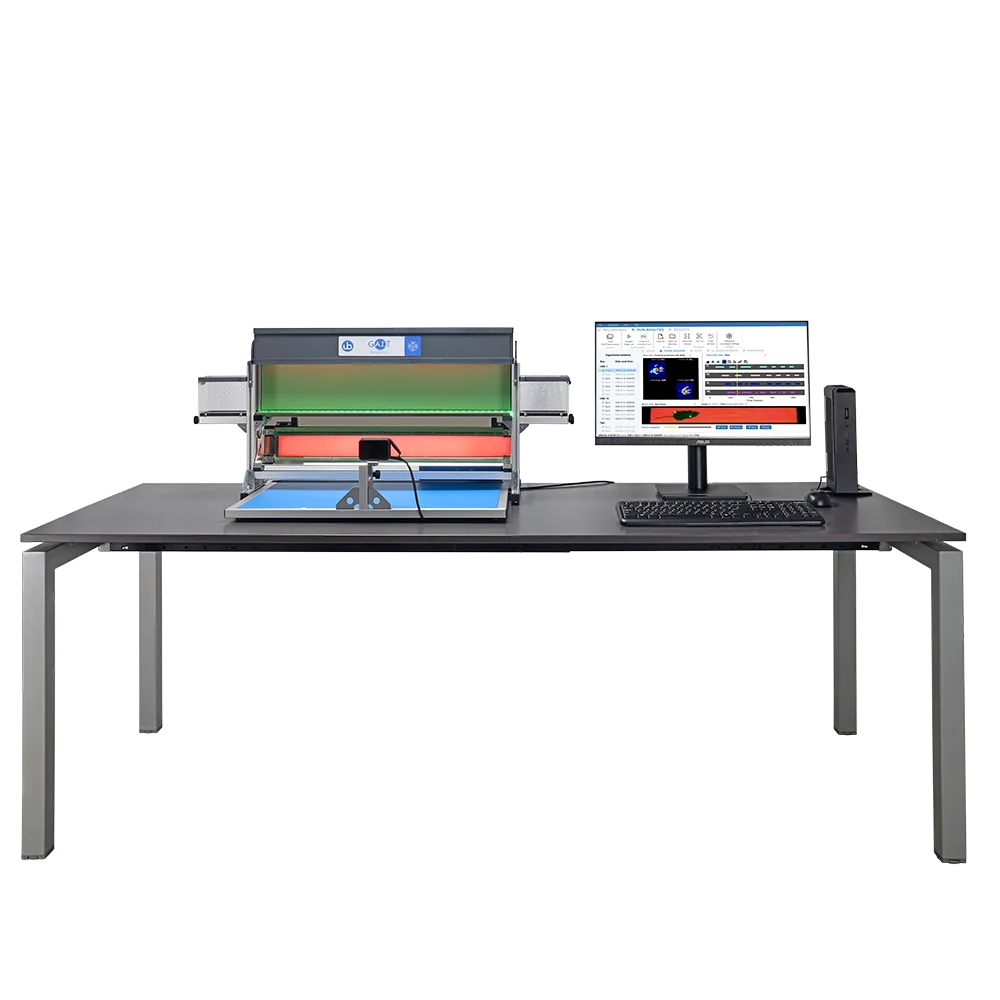
For advanced quantitative movement analysis, the GA.I.T Analysis System extends motor assessment to gait dynamics, paw placement, stride parameters and locomotor impairment, supporting applications in neurodegenerative, neuromuscular, ageing and disease models.
The Ugo Basile Climbing Test is an automated system designed to measure vertical climbing movements in mice, providing an ethologically relevant readout for motor function and coordination research. Developed in collaboration with the laboratory of Prof. Sidney Negus at Virginia Commonwealth University, the system was first applied in the pain field to assess pain-depressed behaviour, but its applications extend to motor function, muscle strength, neuromuscular performance, spontaneous activity and disease-related impairment. Since rodents naturally move in a three-dimensional space, the analysis of vertical activity adds a complementary dimension to traditional horizontal activity tests, helping researchers investigate coordination, strength, balance and exploratory drive.
Frequently Asked Questions
Motor coordination in rodents is commonly assessed using Rotarod, grip strength, gait analysis, , climbing, treadmill, open-field activity and balance-related paradigms. These tests evaluate different aspects of motor function, including coordination, balance, neuromuscular strength, endurance, spontaneous locomotion, gait dynamics and motor impairment.