

Investigating learning and memory with Ugo Basile behavioral instruments
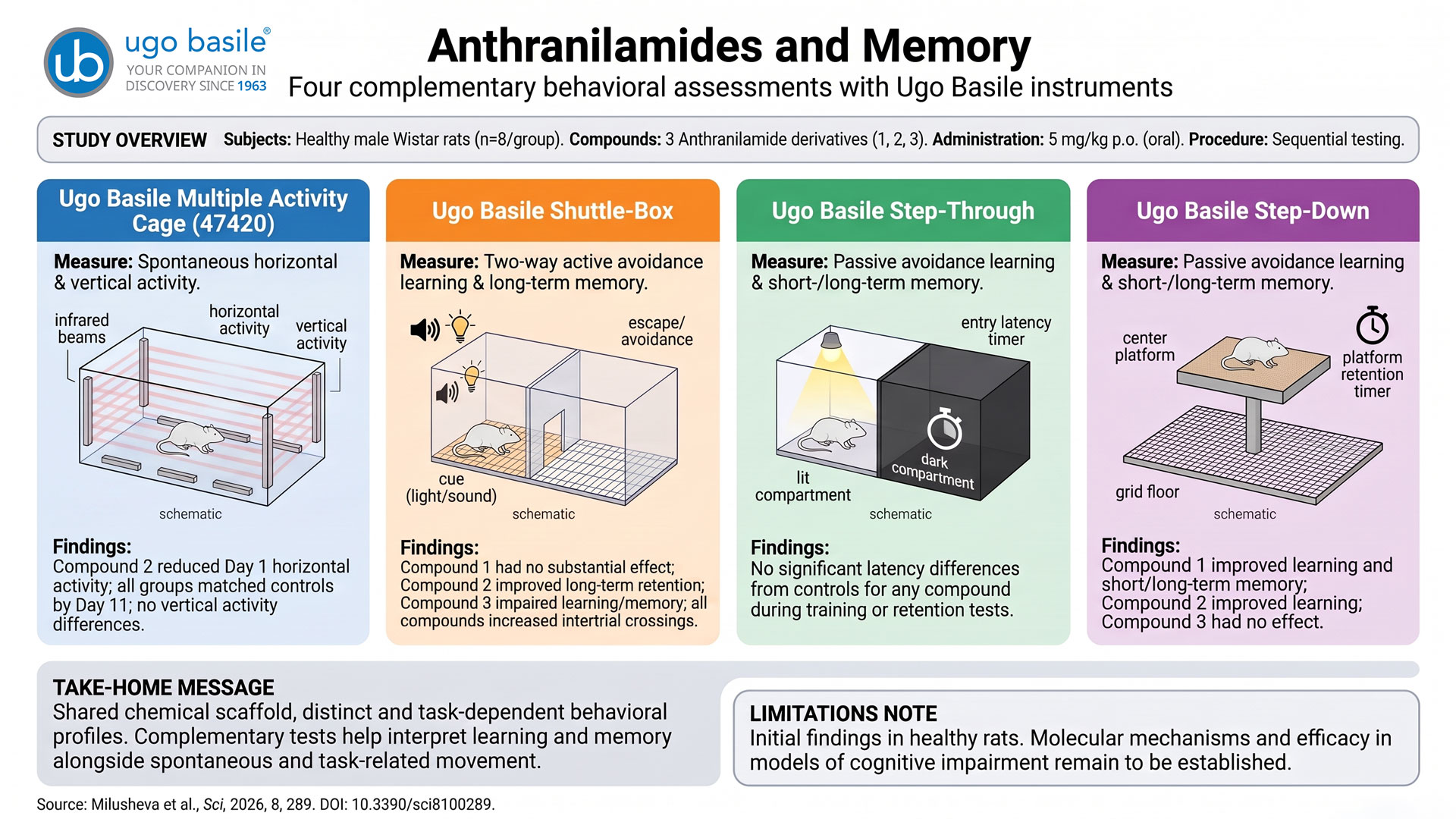
Can compounds developed for their antispasmodic and anti-inflammatory properties also influence learning and memory? A study published in Sci (2026) used four Ugo Basile instruments to investigate this question: the Multiple Activity Cage, Shuttle-Box, Step-Through and Step-Down apparatuses.
The compounds showed distinct, task-dependent effects, with compounds 1 and 2 producing promising results in specific cognitive assessments.
The experimental approach
Healthy, naïve male Wistar rats were randomly divided into four groups, with eight animals per group. The experimental groups received one of the three compounds orally at 5 mg/kg, while the control group received vehicle (DMSO). Treatments were administered once daily, 60 minutes before testing.
All behavioral methods were applied sequentially to the same animals. Each instrument provided a different perspective: spontaneous movement, acquisition of an active avoidance response, or retention of a learned passive avoidance response.
Computational analyses also identified potential molecular targets, including acetylcholinesterase and other cholinergic targets. Their involvement in the observed behavioral effects remains to be experimentally established.
Multiple Activity Cage assessing spontaneous locomotor activity
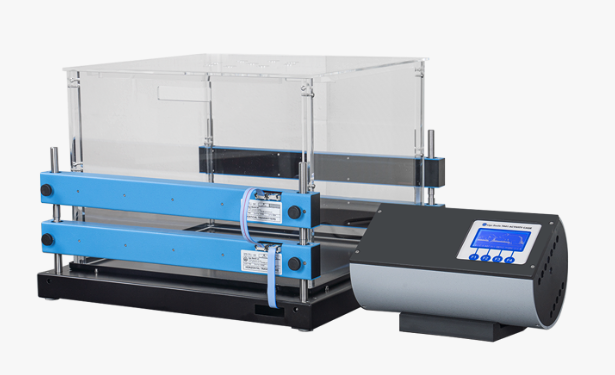
The Ugo Basile Multiple Activity Cage (SKU 47420) was used to assess whether changes in spontaneous movement could influence the interpretation of cognitive performance.
Each rat was placed individually in the cage for five minutes on treatment days 1 and 11. Infrared sensors automatically recorded beam interruptions, distinguishing horizontal locomotor activity from vertical movements associated with exploratory behavior.
Compound 2 significantly reduced horizontal activity on day 1, while compounds 1 and 3 showed no significant differences from controls. On day 11, horizontal activity in all treated groups was comparable to that of the control group, with no statistically significant between-group differences.
Compounds 2 and 3 showed fewer vertical movements than controls on both testing days, but these differences were not statistically significant.
The Activity Cage therefore provided an assessment of spontaneous movement alongside the cognitive tests. These observations helped contextualize avoidance performance, without excluding every possible motor influence across different testing conditions.
Learn more about Activity Cage by Ugo Basile: https://ugobasile.com/products/categories/motory-coordination/activity-cage-spontaneous-activity-for-mice-and-rats
Shuttle-Box evaluating active avoidance learning and memory
The Ugo Basile Active Avoidance apparatus (SKU 40532/40533) was used to assess two-way active avoidance learning and long-term memory retention.
In this task, rats learn to move between compartments in response to a light and sound cue to avoid a subsequent foot shock. Training lasted five consecutive days, and long-term memory was assessed on day 12.
The apparatus recorded three behavioral measures: conditioned avoidance responses, escape responses following the shock, and crossings between trials.
Compound 1 did not substantially alter conditioned avoidance performance.
Compound 2 produced fewer conditioned avoidance responses than controls on the fourth training day, but more during the day 12 memory test. The authors interpreted the latter finding as improved long-term memory retention.
Compound 3 reduced conditioned avoidance responses on training days 3–5 and during the memory test, indicating impaired acquisition and long-term retention of the avoidance response.
All three compounds also increased escape responses and intertrial crossings compared with controls. These additional measures show why active avoidance results should be considered alongside movement within the task.
Learn more about Active Avoidance https://ugobasile.com/products/categories/behaviour-conditioning-reward/active-avoidance-set-up-for-mice-and-rats-shuttle-box
Step-Through assessing passive avoidance retention
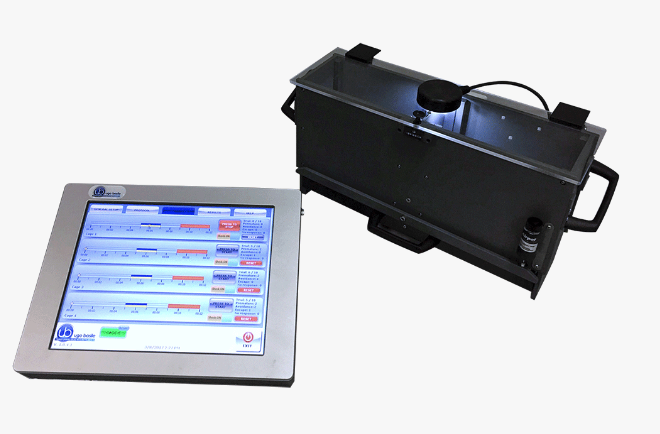
The Ugo Basile Step-Through apparatus (SKU 40552/40553) was used to assess passive avoidance learning and short- and long-term memory.
The apparatus comprises an illuminated compartment and a dark compartment connected by a sliding door. During training, entering the dark compartment was followed by a foot shock. The researchers then measured how long the animals remained in the illuminated compartment before entering the dark compartment.
Longer entry latencies are generally interpreted as stronger retention of the learned avoidance response. The protocol included two training days, a short-term memory test 24 hours later, and a long-term memory test on day 7.
None of the three compounds produced statistically significant differences in response latency compared with controls during training or either memory test.
The Step-Through results therefore showed no detectable treatment-related improvement or impairment under the conditions tested. This finding also demonstrated that the effects observed in other tasks were not consistent across all avoidance paradigms.
Learm more about Passive Avoidance – Step Through: https://ugobasile.com/products/categories/behaviour-conditioning-reward/passive-avoidance-step-through-for-mice-and-rats
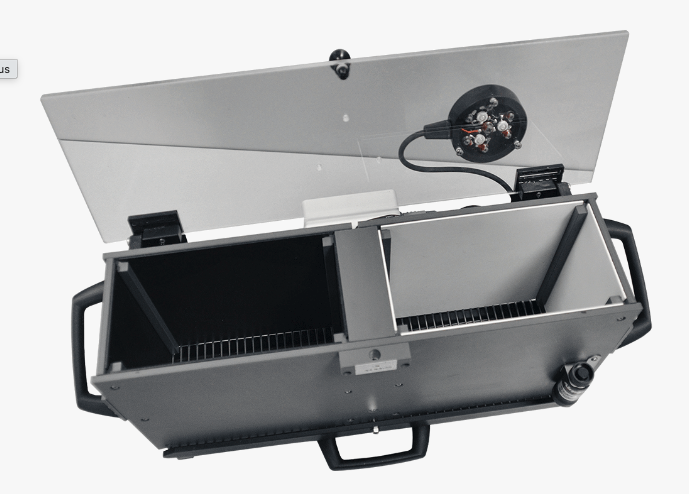
Step-Down identifying effects on learning and memory
The Ugo Basile Step-Down apparatus (SKU 47573) provided a complementary assessment of passive avoidance.
Rats were placed on an elevated platform above an electrified grid floor. During training, stepping down onto the grid was followed by a foot shock. The researchers measured the time each animal remained on the platform, with longer latencies interpreted as greater retention of the avoidance response.
Training took place over two consecutive days. Short-term memory was tested 24 hours after training and long-term memory on day 7, with no electrical stimulation during the memory tests.
Compound 1 significantly increased response latency on the second training day and in both memory tests. The authors interpreted these findings as improved learning and short- and long-term memory.
Compound 2 increased response latency on the first training day, which the authors interpreted as a positive effect on learning. It did not produce a significant improvement in the subsequent memory assessments.
Compound 3 showed numerically higher latencies during training and memory testing, but the differences from controls were not statistically significant.
The Step-Down test revealed the most consistent positive cognitive profile for compound 1, while distinguishing its effects from those of compounds 2 and 3.
Learm more about Passive Avoidance – Step Down: https://ugobasile.com/products/categories/behaviour-conditioning-reward/passive-avoidance-step-down-for-mice-vibrating-platform
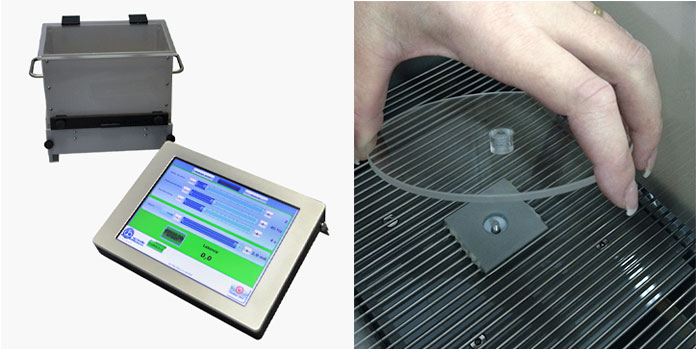
Bringing the findings together
The four instruments provided complementary behavioral information.
The Multiple Activity Cage measured spontaneous locomotor and exploratory activity. The Shuttle-Box assessed the acquisition and retention of an active avoidance response, while also recording escape responses and movement between trials. The Step-Through and Step-Down apparatuses assessed passive avoidance through different behavioral responses.
Together, the results showed that the three anthranilamide derivatives had distinct effects despite sharing a common chemical scaffold. Compound 1 improved performance in the Step-Down test; compound 2 showed positive effects in selected Step-Down and Shuttle-Box assessments; and compound 3 impaired active avoidance performance. None produced a significant effect in the Step-Through test.
This task-dependent pattern highlights the value of using complementary behavioral assessments when investigating learning and memory.
Conclusion
The study was conducted in healthy rats and did not directly test efficacy in a model of Alzheimer’s disease or another neurodegenerative condition.
Compounds 1 and 2 warrant further investigation, but their molecular mechanisms and therapeutic potential remain to be clarified. Biochemical studies are needed to assess the predicted involvement of cholinergic targets, followed by evaluation in appropriate models of cognitive impairment.
By combining four Ugo Basile instruments, the researchers examined cognitive performance alongside spontaneous and task-related movement, producing a broader behavioral profile of each compound.
Read the full paper:
Milusheva et al. Evaluation of Anthranilamide Derivatives on Learning and Memory Processes in Naïve Rats: In Silico Predictions and In Vivo Behavioral Profiling. Sci, 2026, 8, 289.
https://doi.org/10.3390/sci8100289